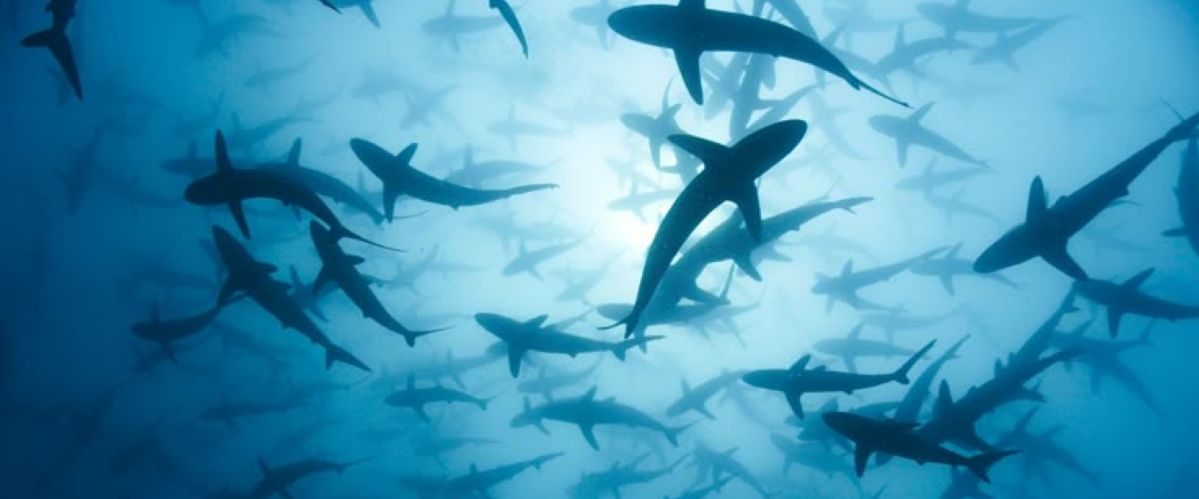
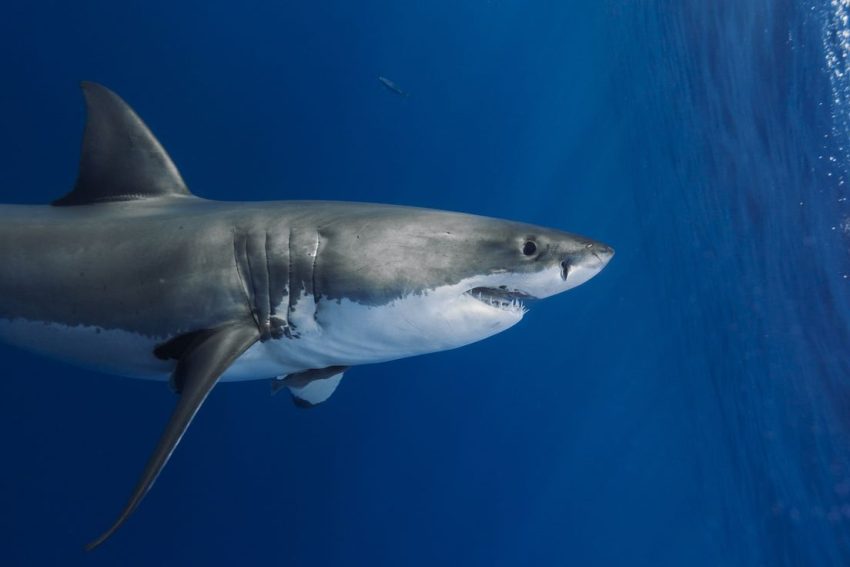
According to SharkGaurdian.Org, 2025 was a very important year for sharks and rays across the world! In early 2025, researchers tagged the largest Great White Shark to date in the Atlantic Ocean. Discoveries such as these help researchers to map habitats, migration routes, and breeding areas. In December of 2025, more than 70 species of sharks and rays received strengthened protections under CITES (Convention on International Trade in Endangered Species of Wild Fauna and Flora). These protections help to maintain sustainable practices, enforce action against illegal poachers, and help to maintain various ecosystems.
Jenn Jordan at Weather.com reported on researchers in Africa finding living sharks 3000 feet below the surface of the Indian Ocean. Just off the coast of the small African archipelago of Comoros, researchers found a thriving population of sharks. Why is this a good sign, you may be asking? Sharks are at the top of their food chain; throw one thing off, and an entire ecosystem could collapse! A thriving community of sharks shows researchers that not only are there abundant resources for the various animals within this ecosystem, but that this specific ecosystem is still operating even with the overwhelming threat of climate change. The fact that this reef deeper offshore, is withstanding the same negative influences as the shallower reefs, is a good sign for the prolonged survival of marine diversity.