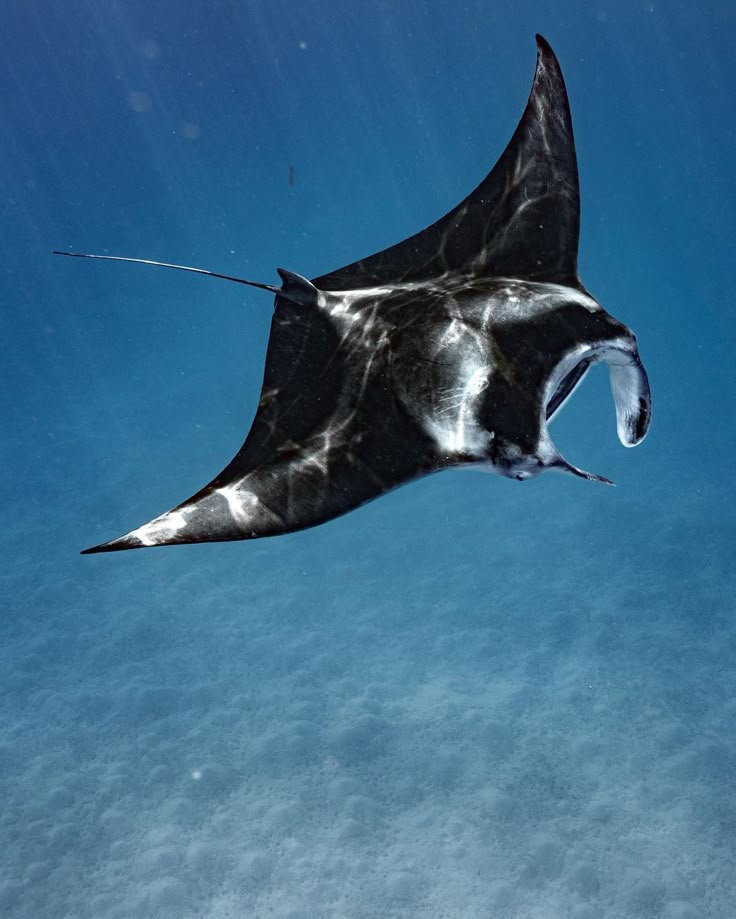
Rajiformes – This order contains species like Skates and Rays, and while they are not our main subject on this blog, they are worth noting!
Skates and Rays are generally flat in shape because of their enlarged pectoral fins (also refered to as wings). They also have five gills located on the bottom of their body.
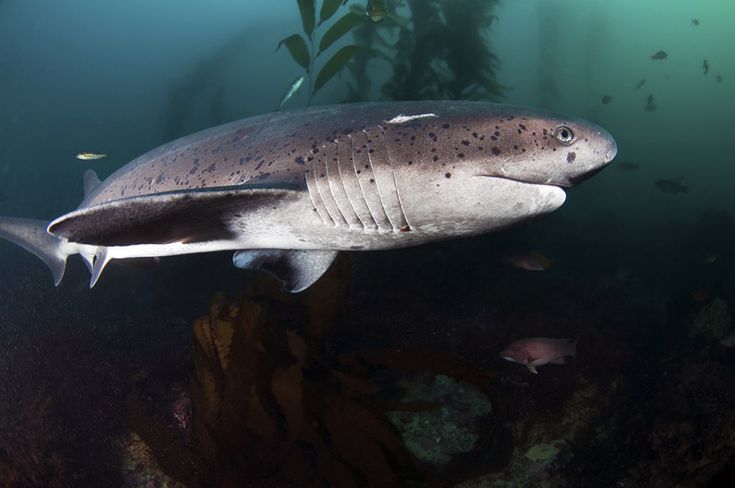
Hexanchiformes – This order contains species referred to as Frilled and Cow Sharks. They are considered the most primitive sharks alive today, with six or seven pairs of gills located on their sides.
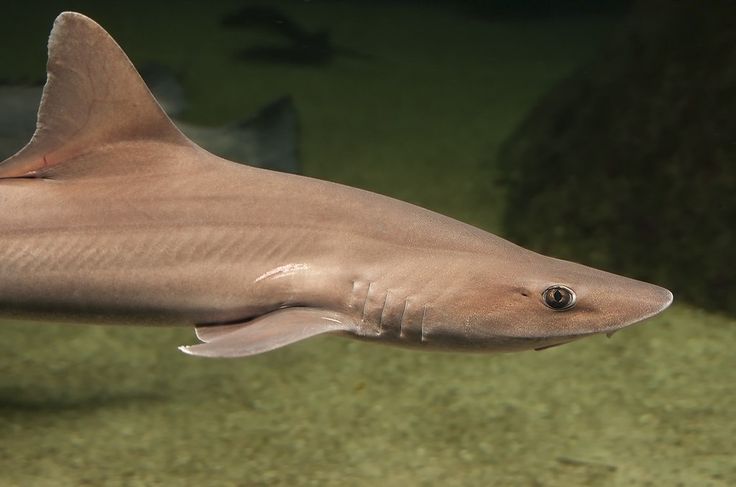
Echinorhiniformes – This order contains species referred to as Bramble Sharks. They are large and sluggish deepwater sharks. There are only two species in this entire order.
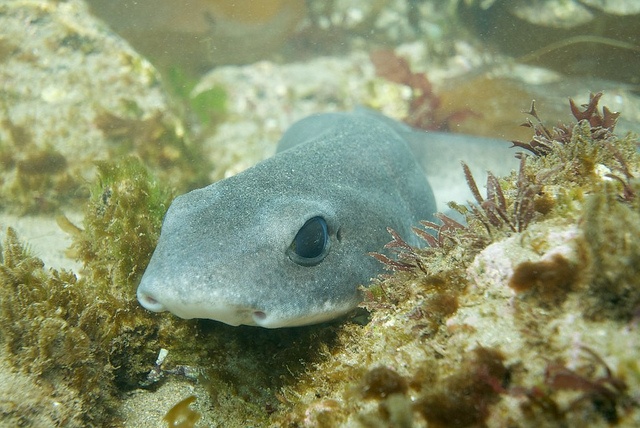
Squaliformes – This order contains species referred to as dogfish sharks. They have a short mouth with a longer snout and have five pairs of gills.
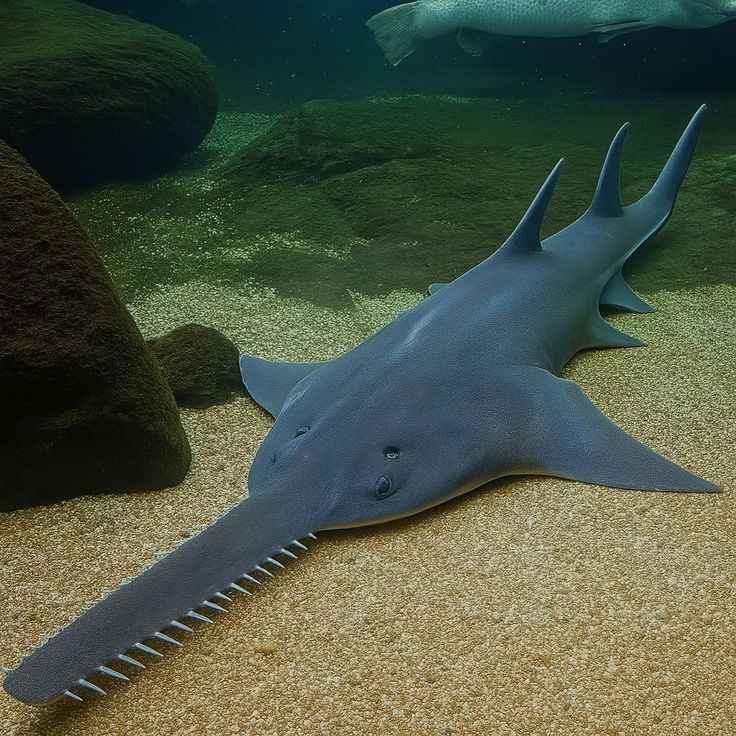
Pristiophoriformes – This order contains species referred to as Sawsharks. They have a long, saw-like snout, which is used to stun prey and protect from predators. Depending on the species, they have either five or six pairs of gills.
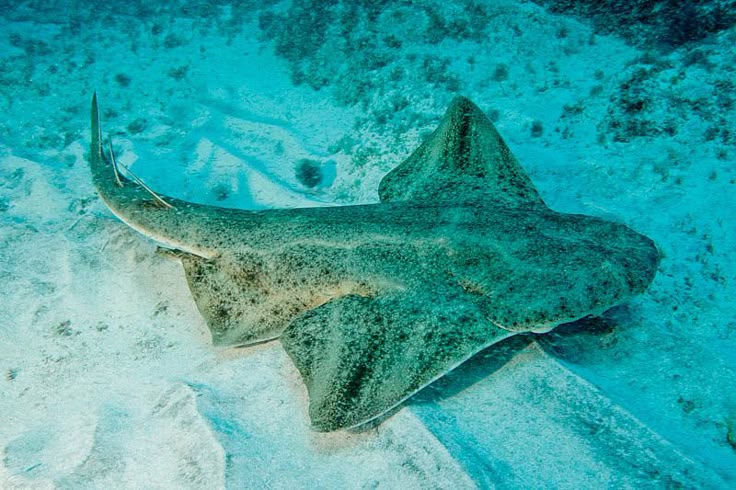
Squatiniformes – This order contains species referred to as Angelsharks. These sharks have flattened bodies, often looking more like rays than sharks, but their gills are located on the sides of their bodies.
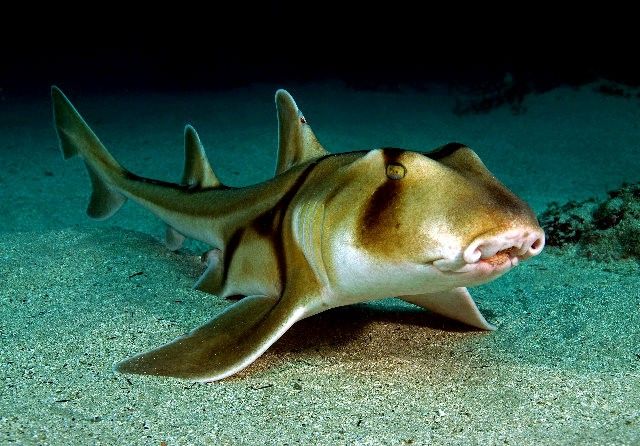
Heterodontiformes – This order contains species referred to as Bullhead Sharks. They have five pairs of gills and fin spines.
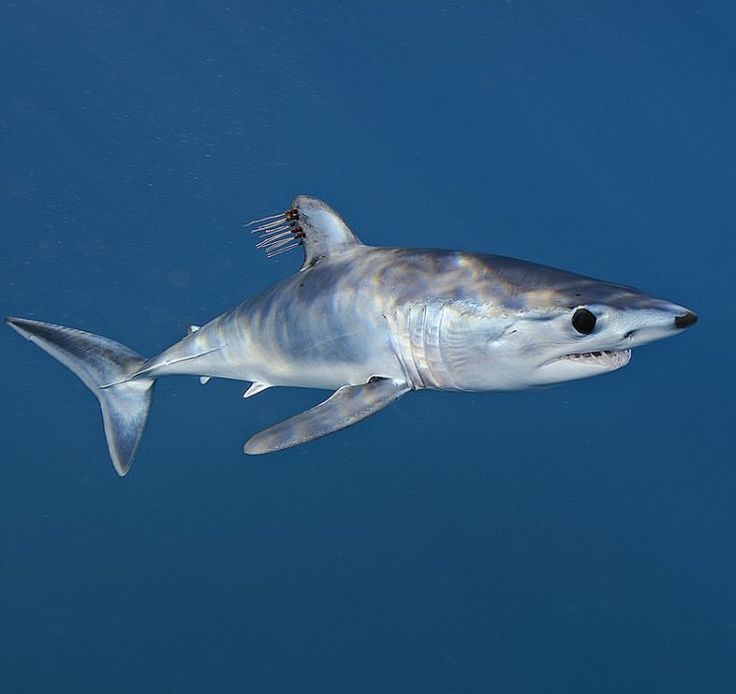
Lamniformes – This order contains species referred to as Mackeral Sharks. They have a long snout and mouth, and have five pairs of gills.
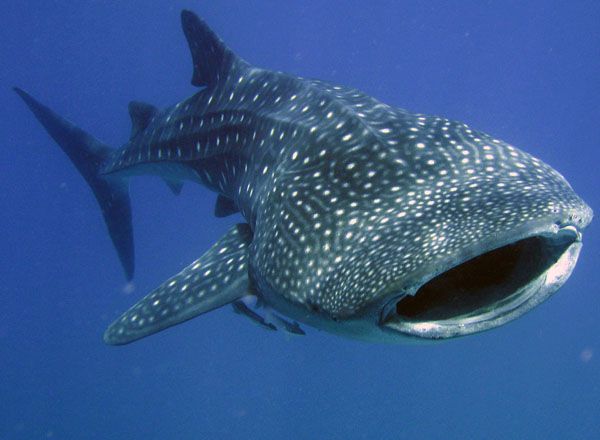
Orectolobiformes – This order contains species referred to as Carpet Sharks. They have a short snout and five pairs of gills. Most species have barbels near their mouths, which are used to taste food under the sea floor.
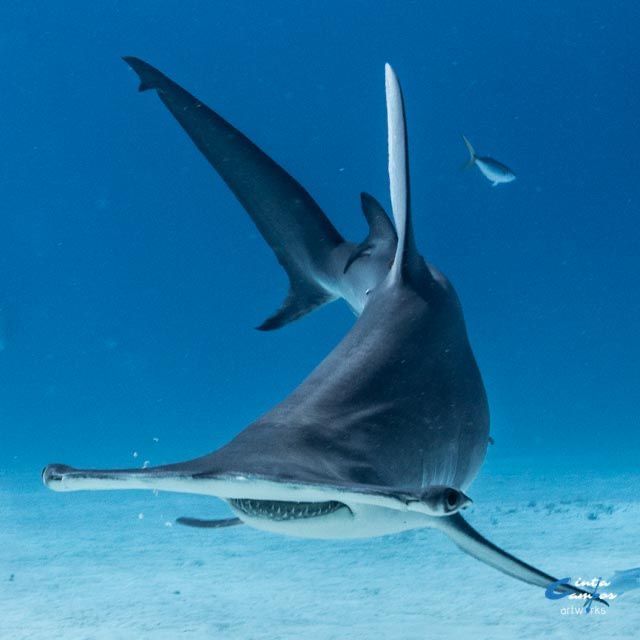
Carcharhiniformes – This order contains species referred to as Ground Sharks. They have wide mouths with sharp-edged teeth and five pairs of gills. They also have a movable membrane over their eyes to protect them while they are feeding.